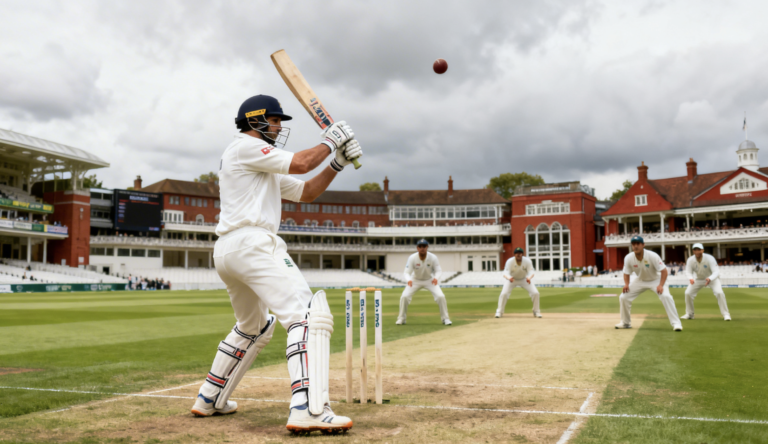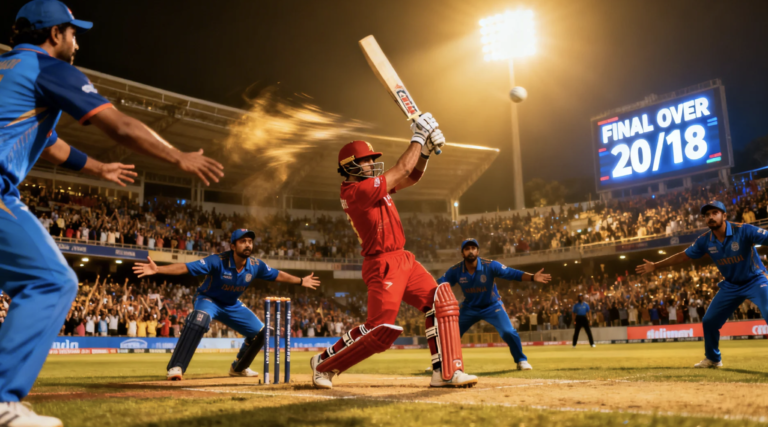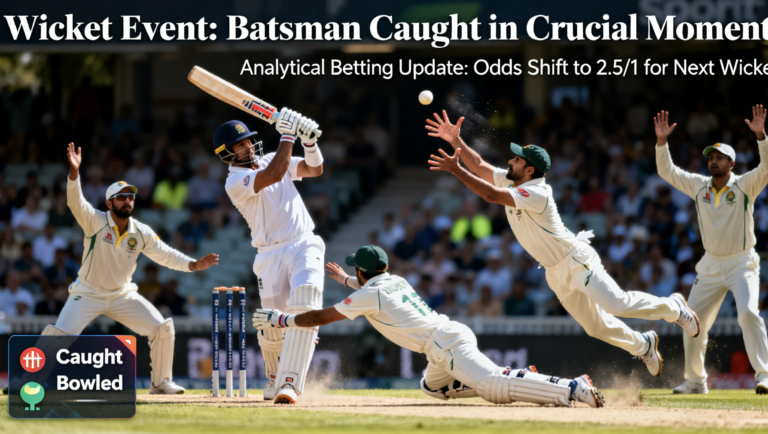
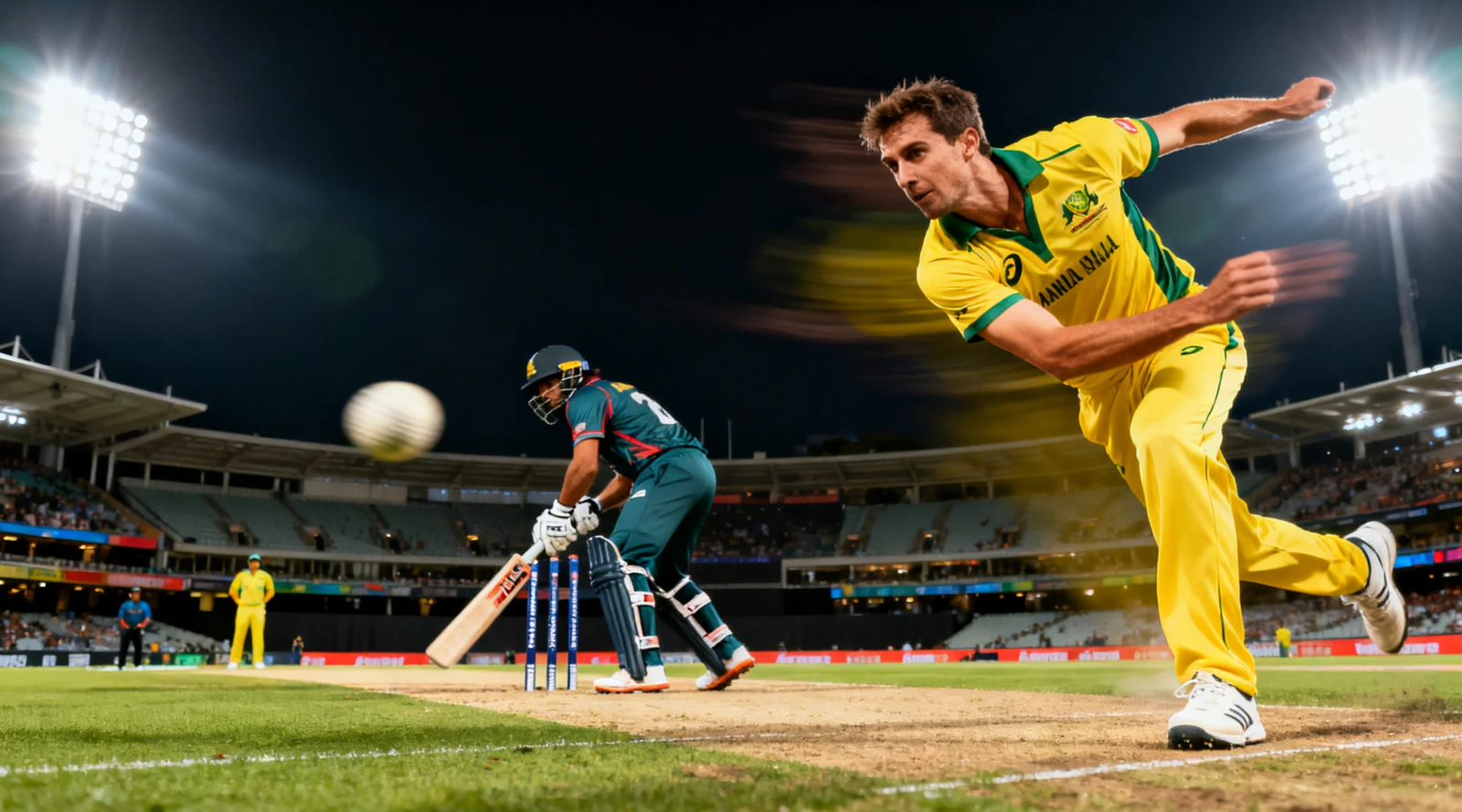
Few bowlers in modern ODI cricket generate the same level of anticipation as Mitchell Starc when Australia faces India. The left-arm quick, armed with a devastating inswinging yorker and the ability to extract movement with the new ball, has built a career defined by high-impact performances on the biggest stages. His consistency in taking wickets across different phases of the game makes him a central figure when analyzing bowling markets in the AUS vs IND rivalry.
Mitchell Starc Wicket Betting Market Overview
The “Top Bowler” market in ODI cricket rewards bettors who can identify the most likely wicket-taker in a given match. Unlike Test cricket, where conditions evolve over five days, ODIs compress the bowling battle into a single-day contest, making the ability to strike early and finish strong absolutely critical.
Starc’s profile fits the Top Bowler market exceptionally well. With over 220 ODI wickets at a career bowling average hovering around 22–24, he consistently ranks among the most prolific wicket-takers in any series he participates in. His value in these markets stems from a simple reality: he bowls in the two most wicket-rich phases of an ODI — the powerplay and the death overs.
The betting landscape for individual bowler props typically includes:
- Top Team Bowler — The bowler who takes the most wickets for his side
- Top Match Bowler — The bowler who takes the most wickets across both teams
- Over/Under Wickets — A line set on how many wickets a specific bowler will take
- First Wicket of the Match — Whether a named bowler will claim the opening breakthrough
Top Bowler Odds And Player Props
When bookmakers set the Top Bowler odds for an AUS vs IND ODI, Starc is frequently installed as the favorite or joint-favorite for Australia. His pricing typically reflects the dual-threat nature of his bowling — the ability to strike with the new ball and return at the death to clean up the tail.
Key player prop markets to understand:
| Market | Typical Line for Starc | What It Measures |
| Over/Under Wickets | 2.5 wickets | Whether Starc takes 3+ or fewer than 3 |
| Top Team Bowler | Often shortest odds | Most wickets among Australian bowlers |
| Top Match Bowler | Competitive odds | Most wickets across both teams |
| To Take a Wicket in Powerplay | Yes/No | Whether Starc strikes in overs 1–10 |
Understanding these lines requires looking beyond surface-level stats and diving into Starc’s specific tendencies against Indian batting lineups.
Mitchell Starc Key Bowling Trends Against India
India’s batting order is among the most formidable in world cricket. Names like Virat Kohli, Rohit Sharma, and Shubman Gill represent a blend of technical mastery and aggressive intent. Starc’s record against top-quality opposition, however, is precisely what makes him stand out.
Several trends define his performances against India:
- New Ball Swing: Starc generates significant inswing to right-handed batsmen. Against India’s right-hand-heavy top order, this becomes a potent weapon, particularly in conditions with cloud cover or green-tinged surfaces.
- Pace and Bounce: Starc consistently clocks speeds above 145 km/h. On Australian pitches with extra bounce, this combination becomes particularly challenging for batsmen who prefer to play off the front foot.
- Left-Arm Angle: The angle created by a left-arm quick bowling over the wicket to right-handers naturally brings LBW and bowled dismissals into play. Against India, Starc has frequently used this angle to breach defenses early.
Wicket Taking Patterns In ODI Matches
Starc’s wicket-taking is not random — it follows identifiable patterns shaped by the phases of the game.
Phase 1 — Overs 1–10 (Powerplay):
Starc operates with the new Kookaburra ball, which swings most aggressively in the first 6–8 overs. His primary weapon here is the inswinging delivery aimed at the stumps. He has historically taken a significant proportion of his wickets in this phase, targeting the pads and the top of off stump.
Phase 2 — Overs 11–40 (Middle Overs):
Starc is often rested during this phase, with spin and medium-pace options taking over. His absence from the middle overs means his wicket count during this period is naturally lower, but it also means he returns fresh for the final phase.
Phase 3 — Overs 41–50 (Death Overs):
This is where Starc’s yorker becomes the most dangerous ball in ODI cricket. Batsmen looking to accelerate are forced to take risks against full-length deliveries aimed at the base of the stumps. The result is a high frequency of bowled and LBW dismissals during this phase.
Performance In Powerplay And Death Overs
A closer look at Starc’s effectiveness in the two most critical phases reveals why he dominates Top Bowler markets:
Powerplay Strengths:
- Consistently lands the ball in the “swing corridor” — a length that forces batsmen to play
- Targets right-handers around off stump with inswingers
- Uses the bouncer sparingly but effectively to set up the fuller delivery
- Has dismissed several top-order Indian batsmen during this phase across multiple series
Death Overs Strengths:
- Regarded as one of the best death bowlers in ODI history
- His wide-of-the-crease angle makes the yorker almost impossible to dig out
- Mixes slower balls and bouncers to disrupt timing
- Frequently picks up 2–3 wickets in the final five overs of an innings
This dual-phase dominance is rare. Most fast bowlers excel in one phase but struggle in the other. Starc’s ability to threaten in both gives him a structural advantage in wicket-based markets.
Mitchell Starc Betting Strategies For Wickets
Applying this knowledge to betting requires a disciplined, condition-aware approach.
Strategy 1 — Venue Assessment
Not all grounds favor Starc equally. In Australia, pitches at the MCG, SCG, and Adelaide Oval tend to offer swing and bounce, amplifying his strengths. When AUS vs IND matches are played at these venues, Starc’s Top Bowler value increases.
Strategy 2 — Toss and Conditions
If Australia bowls first under overcast skies, Starc’s new-ball effectiveness is maximized. Monitoring the weather forecast before placing any market assessment is essential. Cloud cover directly correlates with lateral movement for left-arm seamers.
Strategy 3 — Opposition Batting Order
India’s batting lineup can shift between series. If the top three are right-hand dominant, Starc’s inswing becomes a primary weapon. If India loads the top order with left-handers, the angle changes and Starc may need to adjust, slightly reducing his early-wicket threat.
Strategy 4 — Workload Management
In a multi-match series, Starc may be rested for one game. Monitoring team news and press conferences before committing to any market is a fundamental step that many overlook.
Best Matches To Back Starc As Top Bowler
Identifying the ideal match conditions for Starc’s wicket-taking potential involves combining several variables:
- Early-season matches where the Kookaburra ball is at its most responsive
- Day-night ODIs where the pink or white ball under lights tends to swing more in the evening session
- Pitches with grass cover that assist seam movement, particularly in the first innings
- Matches where Australia bowls first, allowing Starc to exploit the new ball before the surface flattens
Historical evidence supports that Starc’s best returns often come in series openers or high-stakes matches — the 2015 World Cup Final (2/20 against New Zealand) and his consistent performances in ICC tournaments highlight his ability to deliver under maximum pressure.
Conclusion: Finding Value In Starc Wicket Bets
Mitchell Starc’s combination of pace, swing, yorker accuracy, and big-match mentality makes him one of the most reliable candidates for Top Bowler markets in AUS vs IND ODIs. The analytical edge lies in recognizing the specific conditions — venue, weather, toss result, and opposition lineup — that amplify his natural strengths. Rather than backing Starc blindly in every match, the smarter approach involves waiting for the confluence of favorable factors and then focusing on the specific prop markets that align with his proven patterns of dominance.