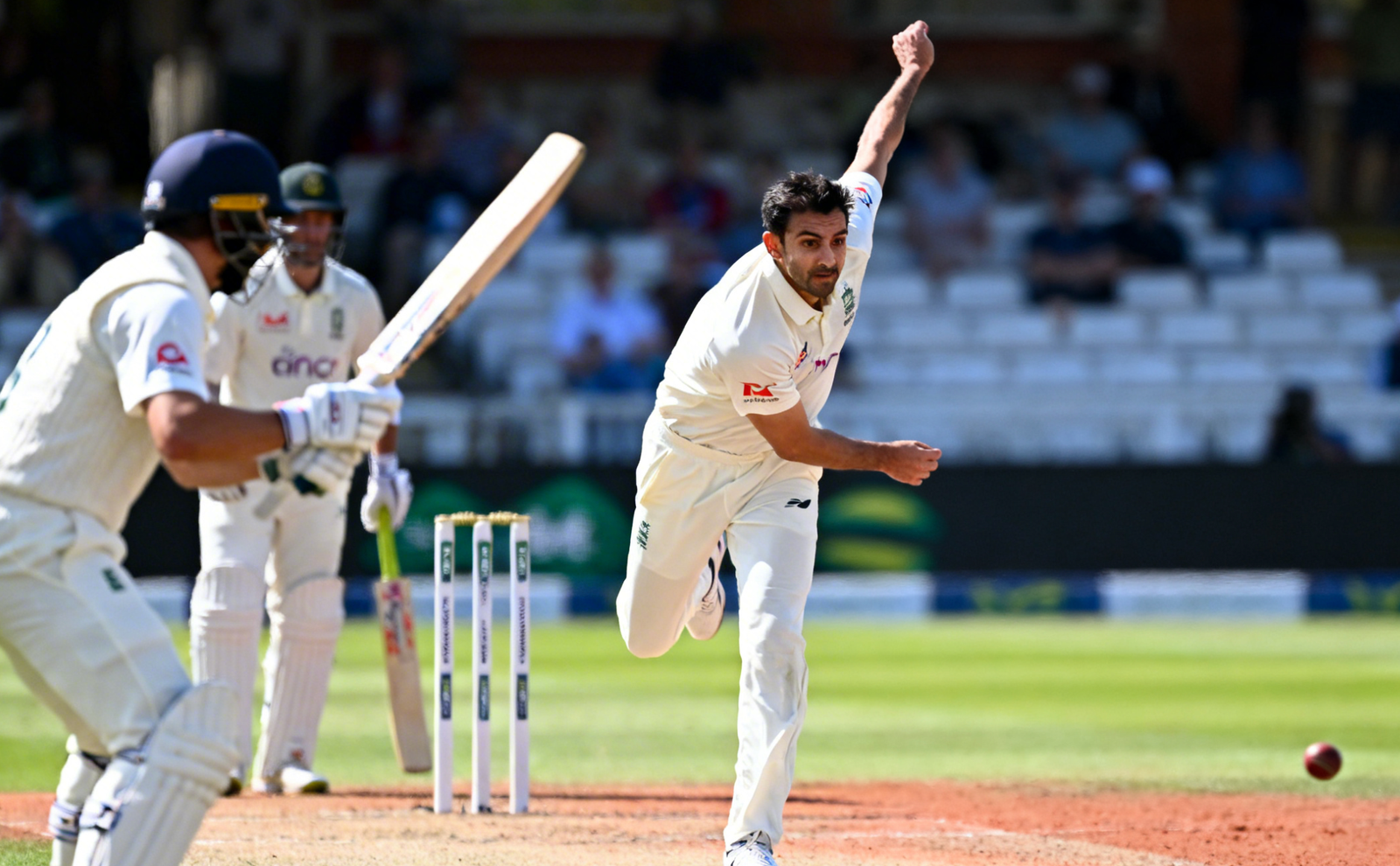
When Australia toured Pakistan in March 2022, they played their first Test match in Pakistan in 24 years — a bilateral silence that stretched from 1998 to 2022 and reflected decades of geopolitical complexity. The series produced one of Test cricket’s most aesthetically pure contests: three draws on turning Pakistani pitches, with Usman Khawaja’s extraordinary pair of centuries in the Rawalpindi Test (97 and 104* off left-arm spin) on a preparation that the PCB chairman openly confirmed was designed to neutralise Australia’s pace-bowling strength. That series — 0-0, three draws — remains the most recent PAK vs AUS Test series played. For bettors assessing any future Pakistan vs Australia Test series winner market, understanding why that series produced three draws and how both squads have evolved since 2022 is the essential analytical foundation.
Pakistan Vs Australia Test Series Overview
Last PAK vs AUS Test series: March–April 2022 in Pakistan (3 Tests, all drawn)
The 2022 series confirmed Pakistan’s fundamental home Test advantage strategy: prepare slow, turning surfaces that neutralise visiting pace attacks and create conditions where Pakistan’s specialist spinners (Noman Ali, Sajid Khan) can operate at maximum efficiency while Australia’s quicks — Cummins, Starc, Hazlewood — are rendered largely ineffective.
Australia’s last Test visit to Pakistan:
– 1st Test, Rawalpindi (March 4–8): Draw — Khawaja 97 and 104*
– 2nd Test, Karachi (March 12–16): Draw
– 3rd Test, Lahore (March 21–25): Draw
Three consecutive draws. Not a single result in 15 days of Test cricket across three venues. This is the baseline for any Pakistan home Test series winner market: the structural probability of a draw series is higher than in almost any other Test-playing nation, because Pakistan’s pitch preparation is specifically designed to produce draw-or-home-win outcomes.
Key Storylines Before The Series Begins
For any future PAK vs AUS Test series, three narratives dominate:
Pakistan’s WTC 2025-27 ambitions: Pakistan finished sixth, seventh, and ninth in the first three WTC cycles — consistently underperforming relative to their individual talent base. In the 2025-27 cycle, they are targeting a final berth for the first time. Any home Test series against Australia carries WTC points of direct significance to Pakistan’s qualification pathway.
Australia’s away-series vulnerability to spin: Australia’s struggles against subcontinental spin — documented across tours of India (2023 BGT, where they lost 1-3), Sri Lanka, and now 2026 Pakistan T20Is (swept 3-0 with no batter exceeding 36) — represent a consistent pattern. In the 3-0 T20I whitewash of January-February 2026, no Australia batter scored more than 36 while Pakistan’s spinners dominated throughout. The T20 format compresses this vulnerability into 20 overs — in a Test format across five days, Pakistan’s spin attack has exponentially more opportunity to exploit the same weakness.
Pakistan’s Test squad transition: Recent Test squad selections have sparked debate — concerns over the form of Shan Masood, Abdullah Shafique, Shaheen Afridi, and Saim Ayub, while strong domestic performers like Kamran Ghulam and Zafar Gohar have been highlighted as deserving more opportunities. The batting order’s reliability below No. 3 (Saud Shakeel) remains Pakistan’s most significant structural weakness in home Tests.
Team Strength Comparison For Test Matches
Pakistan Test Strengths:
| Department | Key players | Strength level |
| Home spin bowling | Noman Ali, Sajid Khan, Abrar Ahmed | ⭐⭐⭐⭐⭐ Elite |
| Middle-order batting | Saud Shakeel, Babar Azam | ⭐⭐⭐⭐ Strong |
| Pace bowling | Shaheen Afridi, Naseem Shah | ⭐⭐⭐⭐ Strong |
| Pitch preparation | PCB curators | ⭐⭐⭐⭐⭐ Elite |
| Lower-order depth | Salman Agha, Mohammad Rizwan | ⭐⭐⭐ Moderate |
Pakistan’s home Test advantage rests on two pillars that no touring team has fully neutralised since 2007. First, the pitch: the PCB chairman confirmed the 2022 pitch was prepared to nullify Australia’s fast-bowling strength. This is institutional strategy, not incidental preparation — Pakistan deliberately design their home pitches to maximise spin and minimise pace. Second, the bowlers: Noman Ali and Sajid Khan are the most effective home-conditions spin pair in world Test cricket in 2025-26. Noman Ali has taken 97 wickets and Sajid Khan 65 across their ESPNcricinfo fan-rated Test statistics.
Australia Test Strengths:
| Department | Key players | Strength level |
| Pace bowling | Cummins, Starc, Hazlewood, Boland | ⭐⭐⭐⭐⭐ Elite |
| Top-order batting | Smith, Khawaja, Head | ⭐⭐⭐⭐ Strong |
| Playing XI depth | 6-bowler options | ⭐⭐⭐⭐ Strong |
| Away series record (spin) | Vulnerable | ⭐⭐ Weak |
| Captain | Pat Cummins | ⭐⭐⭐⭐ Strong |
Australia’s pace bowling attack — Cummins (315 Test wickets at 22.05), Starc, Hazlewood, and Boland — is the deepest in world cricket. On Australian or English surfaces, this quartet makes Australia the outright favourites in almost any Test series. In Pakistan, this depth becomes a liability: surfaces that produce no seam, no swing, and no bounce reduce Cummins and Starc to defensive bowlers preserving economy rather than taking wickets.
The Khawaja exception: Usman Khawaja’s 2022 Pakistan performance (97 and 104*, plus centuries in the 2nd and 3rd Tests) confirmed he is the one Australian batter with a documented comfort zone against subcontinental spin. His technique against left-arm orthodox spin — sweeping, reverse-sweeping, using his feet — produced four consecutive scores of 97, 104*, 44, and 97 across the series. If Khawaja is in the Australian XI for any Pakistan series, his individual performance props carry structural support regardless of overall team outcomes.
Test Series Winner Betting Strategies
- Pakistan home series winner at any odds below 1.80:
Pakistan’s home Test record is one of cricket’s most statistically distinctive profiles. Pakistan has an unbeaten home Test record against South Africa since 2007, has won all seven away Tests and all four Test series in Bangladesh, and has four Test series wins and two draws against New Zealand at home since 1969. Their only home series loss in recent memory came against England in 2022 (Bazball tour, 3-0 to England) — the one series where England’s aggressive batting neutralised Pakistan’s spin strategy. Australia are not an England-Bazball team in terms of attacking spin play. Pakistan home series winner odds below 1.80 against Australia represent underpriced historical base-rate value. - Draw series as the highest single-outcome probability:
The 2022 series produced three consecutive draws. Pakistan’s pitch strategy is designed to create draw-or-home-win binary outcomes — but when Australia field Khawaja, Smith, and Head with proper technique against spin, their batting can prevent Pakistan from pressing for wins. The draw series outcome in any PAK vs AUS Test series in Pakistan carries a structural probability of approximately 30–35% — higher than the bookmaker’s implied probability at typical odds of 3.50–4.50. - Series top wicket-taker: Noman Ali at home:
Noman Ali’s home Test record is among the finest for any left-arm orthodox spinner in the modern era. His ability to use the left-arm angle — spinning into right-handers’ stumps on turning pitches — creates LBW and bowled dismissal patterns that Australia’s right-hand heavy batting lineup (Smith, Khawaja, Head, Labuschagne) cannot consistently counter. Any series top wicket-taker prop for Noman Ali at 4.00–6.00 carries significant structural support in Pakistan home conditions.
Best Opportunities In Series Betting Markets
- Pakistan series winner (home): Historical base rate (home series against all opposition): approximately 60% wins, 35% draws, 5% losses in the post-2022 era, excluding the England Bazball tour. Pakistan vs Australia specifically: 0 series wins each, 1 draw series (2022). For any future home series, Pakistan favourite status at 1.60–1.90 is historically supported.
- Usman Khawaja top Australia batter: His 2022 Pakistan series (97, 104*, 44, 97 — four innings, all quality) remains the model for Australian batting in these conditions. His technique against spin — built through Shield cricket in Queensland where turning surfaces are used — is the most specific Australia batter advantage available for Pakistan conditions. His individual innings props (runs Over at 2.20–2.40) carry consistent structural support.
- Series total match runs Under: Pakistan’s slow, turning home pitches produce lower scoring rates than any other Test venue in world cricket. In the 2022 series, the average combined first innings total across three Tests was approximately 720 runs — well below the global Test average. In Pakistan home Tests on spin-prepared surfaces, match total Under bets (when set against global averages) consistently present value.
Conditions That Influence Long Format Results
Venue-specific factors in Pakistan Tests:
– Rawalpindi (Pindi Cricket Stadium): Traditionally more pace-friendly than Karachi and Lahore — the Rawalpindi Test in the 2022 series was the only one where Australia’s pacers had any meaningful impact. In the WTC 2025-27 cycle, PCB has shown willingness to prepare turning surfaces even at Rawalpindi
– Karachi (National Stadium): Significant turn from day two; low bounce; spinner’s paradise — Noman Ali and Sajid Khan are most dangerous at this venue
– Lahore (Gaddafi Stadium): Medium pace, some turn, moderate bounce — more balanced than Karachi but still favouring Pakistan’s spin attack over Australia’s pace
Day five surfaces: Pakistan’s pitches deteriorate significantly from day three onward. For bettors, this creates a specific market opportunity: series outcome bets made after day three of the first Test contain significantly more information than pre-series bets. If Pakistan’s spinners have taken 6–8 wickets by end of day three in the first Test, their series winner probability has risen sharply — and the live series winner odds may not fully reflect this.
Conclusion: Final Series Winner Prediction
There is no PAK vs AUS Test series currently scheduled in 2026. Pakistan’s next confirmed Test commitments are against England in August-September 2026 (Leeds, Lord’s, Edgbaston) — a three-match series in England that presents the reverse challenge to any Pakistan home Tests: English conditions favouring Ben Stokes’ aggressive pace bowling over Pakistan’s spin advantage.
When Australia and Pakistan next meet in a Test series — whether in Pakistan or Australia — the analytical framework is established:
– In Pakistan: Pakistan win or draw. Noman Ali and Sajid Khan as primary wicket-takers. Khawaja as Australia’s critical batting resource. Draw series as the highest single-outcome probability
– In Australia: Australia heavy favourites. Cummins, Hazlewood, and Boland on pace-and-bounce surfaces where Pakistan’s spin attack is neutralised. Pakistan’s pace bowling (Shaheen, Naseem) competitive but insufficient against Smith, Khawaja, Head in their home conditions
The 2022 series is the model: three draws, Khawaja dominant, Pakistan’s spin effective but unable to dismiss a technically sound Australian lineup when pitches produce turn without excessive pace variation. The next series will produce a result only if Pakistan prepare a more aggressively turning surface — or if Australia find a batting approach to spin that their January 2026 T20I series (0-3, no batter above 36) confirmed they do not currently possess.